
You’ve invested time perfecting your watercolor technique, but protecting that work requires knowledge most artists don’t possess. The difference between a painting that fades in sunlight and one that remains vibrant for decades hinges on three critical decisions you’ll make about varnishing. Understanding which application method suits your style—and why certain products outperform others—will transform how you preserve your art.
Quick Overview
- Spray Application – offers even coating and minimizes brush marks for professional-looking results on watercolor artwork.
- Multiple Thin Layers – apply several coats rather than one thick layer for superior durability and color vibrancy.
- UV-Resistant Varnish – select non-yellowing formulas with strong UV protection to preserve original colors and prevent fading.
- Controlled Drying Environment – manage humidity and temperature conditions to ensure proper drying before applying subsequent varnish coats.
- Professional-Grade Tools – use quality brushes or aerosol varnishes like Winsor & Newton for superior application and protection.
| Liquitex Professional Freestyle Large Flat Brush 4inch |
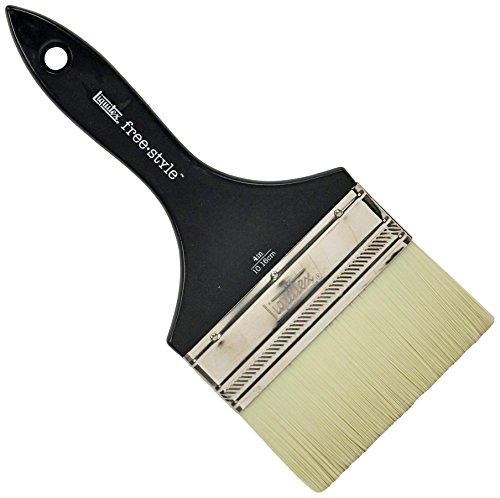
| Best Application Tool | Product Type: Painting brush | Finish Type: N/A (application tool) | Paint Compatibility: Acrylic paint | VIEW LATEST PRICE | Read Our Analysis |
| Winsor & Newton Professional Artists Aerosol Picture Varnish Matt |

| Best Matt Protection | Product Type: Aerosol varnish | Finish Type: Matt finish | Paint Compatibility: Oil, alkyd, and acrylic paintings | VIEW LATEST PRICE | Read Our Analysis |
| Winsor & Newton Professional Artists’ Gloss Varnish 75ml (2.5-oz) Bottle |

| Best Professional Finish | Product Type: Liquid varnish | Finish Type: Gloss finish | Paint Compatibility: Oil, alkyd, and acrylic paintings | VIEW LATEST PRICE | Read Our Analysis |
More Details on Our Top Picks
Liquitex Professional Freestyle Large Flat Brush 4inch
If you’re varnishing large watercolor paintings, you’ll appreciate the Liquitex Professional Freestyle Large Flat Brush’s 4-inch width—it’s purpose-built for covering expansive surfaces efficiently. This broad flat design eliminates streaky application, delivering smooth, even varnish coats across your artwork. The short handle gives you excellent control while you’re working on vertical or horizontal surfaces. You’ll find this brush performs best with Liquitex Professional acrylic mediums and varnishes. Whether you’re a professional artist, art student, or hobbyist, this workhorse brush handles large-scale varnishing projects with minimal effort, reducing application time while maintaining professional-quality results on your finished watercolor pieces.
- Product Type:Painting brush
- Finish Type:N/A (application tool)
- Paint Compatibility:Acrylic paint
- Protection Quality:N/A (application tool)
- Target User Level:Professional artists and hobbyists
- Drying/Application Speed:N/A (application tool)
- Additional Feature:Large 4-inch flat head
- Additional Feature:Short handle design
- Additional Feature:Broad gestural stroke capability
Winsor & Newton Professional Artists Aerosol Picture Varnish Matt
Winsor & Newton’s Professional Artists Aerosol Picture Varnish Matt stands out as an excellent choice for artists who want to protect their work without compromising its appearance. This fine, clear varnish won’t yellow over time, making it ideal for preserving oil, alkyd, and acrylic paintings. You’ll appreciate how it delivers a matte finish that reduces reflections and enhances opaque techniques, giving your artwork a professional look. The aerosol format guarantees easy, even application, and you’ll get reliable protection against dirt, grease, and contaminants. With its 400ml capacity and straightforward spray application, you can confidently safeguard your paintings while maintaining their intended aesthetic.
- Product Type:Aerosol varnish
- Finish Type:Matt finish
- Paint Compatibility:Oil, alkyd, and acrylic paintings
- Protection Quality:Non-yellowing, protects against dirt and grease
- Target User Level:Professional artists
- Drying/Application Speed:Standard spray application
- Additional Feature:400ml aerosol spray format
- Additional Feature:Non-yellowing formula
- Additional Feature:Reduces reflections on opaque
Winsor & Newton Professional Artists’ Gloss Varnish 75ml (2.5-oz) Bottle
For professional artists seeking durable protection without compromising their painting’s appearance, the Professional Artists’ Gloss Varnish delivers exceptional results. This 75ml bottle offers you a non-yellowing, UV-resistant formula that enhances color vibrancy with its glossy finish. You’ll appreciate its quick-drying properties and resistance to blooming and cracking. The varnish works excellently on oil, alkyd, and acrylic paintings. Before application, you must guarantee your artwork is completely dry—allow six to twelve months for thorough curing. You can easily remove it later using white spirit or distilled turpentine if needed. Remember, you shouldn’t use this varnish as a medium; reserve it solely for final protection.
- Product Type:Liquid varnish
- Finish Type:Gloss finish
- Paint Compatibility:Oil, alkyd, and acrylic paintings
- Protection Quality:Non-yellowing, UV-resistant
- Target User Level:Professional artists
- Drying/Application Speed:Quick drying
- Additional Feature:UV-resistant protection technology
- Additional Feature:Removable with white spirit
- Additional Feature:Quick-drying formula
Factors to Consider When Choosing to Varnish Watercolor Paintings
When you’re deciding whether to varnish your watercolor painting, you’ll need to evaluate several key factors that directly impact your final result. You should consider your paint type’s compatibility with varnish, your preferred finish quality, the level of durability and protection you require, which application method suits you best, and how much drying time you can accommodate. These elements work together to guide you toward the varnishing approach that’ll best preserve and enhance your artwork.
Paint Type Compatibility
How do you choose a varnish that’ll work with your watercolor painting? Paint type compatibility is essential for protecting your artwork without compromising its integrity.
You’ll want to select varnishes specifically formulated for water-based mediums. Acrylic varnishes are your best option—they bind effectively to watercolor pigments and create a protective layer while maintaining the paint’s original properties.
Avoid oil and alkyd varnishes entirely. These formulations, though excellent for oil paintings, will alter your watercolor’s appearance and damage the water-based pigments beneath. They’re incompatible with your medium’s chemistry.
Additionally, make sure you’re choosing non-yellowing varnishes to preserve your painting’s brightness and clarity over time. This prevents discoloration and keeps your colors vibrant for years to come.
Finish Quality Preferences
Once you’ve selected an acrylic varnish compatible with your watercolor, you’ll need to decide between matte and glossy finishes—a choice that’ll dramatically affect your painting’s visual presentation.
Matte varnishes reduce glare, making them ideal for detailed work where subtle color nuances matter. They won’t create reflections that obscure fine brushstrokes or delicate passages. Conversely, gloss varnishes enhance color vibrancy and saturation, delivering a richer, more luminous appearance—though they may produce reflections that compete with your composition’s details.
Consider your artwork’s subject matter and your aesthetic goals. Beyond appearance, evaluate durability needs too. Both finishes offer protection against dust, dirt, and UV exposure, but they’ll perform differently depending on your environment and display conditions. Your choice ultimately depends on balancing visual impact with practical protection.
Durability and Protection
Since you’re investing time and effort into your watercolor paintings, selecting a varnish that truly protects your work is paramount. You’ll want UV resistance to shield your artwork from sun damage and color fading over time. Choose non-yellowing formulas that preserve your original colors without altering their appearance. Environmental contaminants like dust and grease can compromise your paintings, so prioritize varnishes offering robust protection against these threats. Quick-drying options save you valuable time, allowing faster handling and completion of your pieces. Finally, select removable varnishes for restoration flexibility—this guarantees you can refresh or modify your protective layer without harming the underlying paint. These durability factors combined create an all-encompassing shield for your watercolor work.
Application Method Selection
Choosing the right application method is essential because it directly shapes your painting’s final appearance and protective quality. You’ll find that spraying varnish offers distinct advantages: it delivers an even coating without disturbing your delicate watercolor layers, eliminating the risk of brush marks that can compromise your work’s aesthetic.
If you prefer brushing, you’ll need a specialized brush and careful technique to achieve smooth application. However, this method demands more skill and control.
Regardless of which technique you select, apply multiple thin layers rather than one thick coat. This approach enhances durability while preserving your pigments’ vibrancy. Work in a controlled environment where you can manage drying time and environmental conditions. These factors considerably influence your varnishing success and your painting’s longevity.
Drying Time Requirements
Before you apply varnish to your watercolor painting, you’ll need to confirm it’s completely dry—a process that typically takes 24 hours to several days depending on paint thickness and environmental conditions.
Several factors influence drying time. Granulating pigments and heavy paint applications require extended drying periods to confirm all moisture evaporates completely. Humidity levels considerably impact this timeline; higher humidity prolongs drying while lower humidity accelerates it.
Patience is critical here. Applying varnish too soon risks blooming, lifting paint, and color alterations that compromise your artwork. You must wait until your painting is fully dry before varnishing. Monitor your studio’s humidity levels and adjust your timeline accordingly. This preparation step determines whether you’ll achieve ideal varnishing results or encounter costly mistakes.
UV Resistance Importance
When you’re selecting a varnish for your watercolor paintings, UV resistance should rank among your top priorities. Sunlight exposure gradually fades and discolors artwork, but UV-resistant varnishes effectively block harmful rays, preserving your colors’ vibrancy and integrity for years to come.
The effectiveness of UV protection is measured by how thoroughly the varnish blocks UV radiation, directly reducing color degradation. You’ll particularly notice the benefits in brightly lit environments where paintings face constant sun exposure.
Budget Considerations
While UV resistance protects your paintings from fading, you’ll also want to carefully evaluate the financial investment required for varnishing. Start by comparing cost per milliliter across varnish brands, as larger containers often provide better value. Budget for application tools like brushes or spray equipment, which can add significant expenses. Check whether your chosen varnish requires multiple coats, as this increases product consumption and overall costs. Remember that premium varnishes carry higher upfront prices but deliver superior protection and longevity, ultimately saving money. If ordering online, factor in shipping costs, which can substantially impact your total budget. Balancing quality with affordability guarantees you protect your artwork without overspending.
Environmental Impact Factors
Beyond the financial considerations of varnishing, you’ll want to examine how your product choices affect the environment and your own health. Choose non-toxic, eco-friendly varnishes that minimize harmful chemical exposure. Prioritize products free from volatile organic compounds (VOCs), which contribute to air pollution and respiratory issues.
Evaluate packaging materials—recyclable or biodegradable options greatly reduce environmental waste. Consider durability too; longer-lasting varnishes decrease reapplication frequency and overall resource consumption. Research disposal guidelines before purchasing, ensuring any waste gets managed responsibly to prevent water and soil contamination.