

You’re searching for the right walnut oil medium to elevate your paintings. Whether you’re blending delicate shifts or preserving pristine whites, you’ll find that not all walnut oils deliver the same results. Professional painters consistently recommend specific brands for their unique formulations and performance qualities. The choice you make will vastly impact your work’s longevity and visual impact—but which one suits your needs?
Quick Overview
- Walnut oil resists yellowing better than linseed oil, preserving whites and light colors for decades.
- Slower drying time enables extended blending and detailing without premature drying or cracking issues.
- Non-toxic, solvent-free formulas make walnut oil safer for studio use with low VOC emissions.
- Hand-cleaned and filtered walnut oil removes impurities, delivering professional-grade results and vibrant color retention.
- Mix walnut oil with alkyd mediums to accelerate drying while maintaining non-yellowing properties.
| M. Graham 4-Ounce Walnut Oil Medium |

| Best Overall | Non-Yellowing: Non-yellowing formula | Non-Toxic/Safe: Nontoxic, solvent-free | Size/Volume: 4 fluid ounces | VIEW LATEST PRICE | Read Our Analysis |
| Natural Earth Paints Refined Walnut Oil (8 oz) |
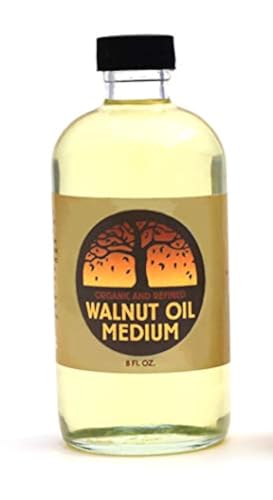
| Best For Eco-Conscious Artists | Non-Yellowing: Non-yellowing formula | Non-Toxic/Safe: Eco-friendly, toxin-free | Size/Volume: 8 fluid ounces | VIEW LATEST PRICE | Read Our Analysis |
| M. Graham 8-Ounce Walnut Oil Medium |
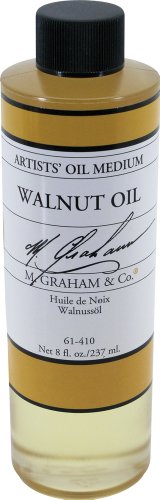
| Most Popular | Non-Yellowing: Non-yellowing formula | Non-Toxic/Safe: Non-toxic, solvent-free | Size/Volume: 8 fluid ounces | VIEW LATEST PRICE | Read Our Analysis |
| M. Graham 8-Ounce Walnut/Alkyd Medium |

| Best For Fast Drying | Non-Yellowing: Non-yellowing formula | Non-Toxic/Safe: Nontoxic, solvent-free | Size/Volume: 8 fluid ounces | VIEW LATEST PRICE | Read Our Analysis |
| Tusc & Pine Walnut Oil for Painting (16.9 oz) |
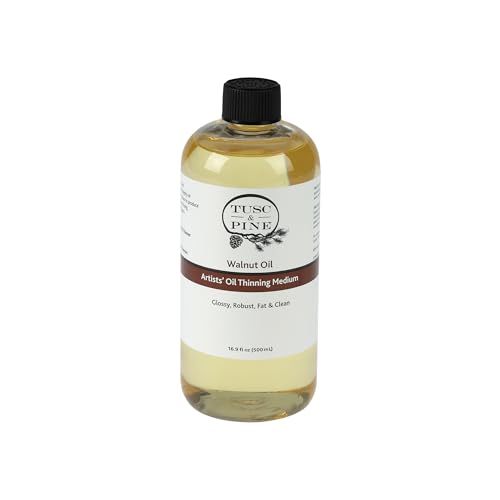
| Best Value | Non-Yellowing: Standard walnut oil | Non-Toxic/Safe: Solvent-free (wash hands after use) | Size/Volume: 16.9 fluid ounces | VIEW LATEST PRICE | Read Our Analysis |
| Chelsea Classical Studio Walnut Oil Paint Medium (4 oz) |
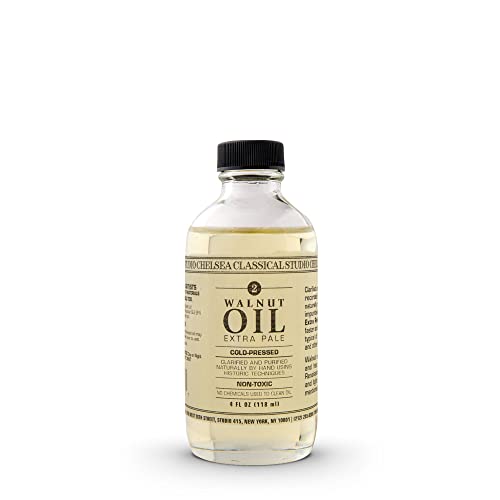
| Best For Light Colors | Non-Yellowing: De-yellowed by natural process | Non-Toxic/Safe: Low VOC, natural processing | Size/Volume: 4 fluid ounces | VIEW LATEST PRICE | Read Our Analysis |
| M. Graham 4-Ounce Walnut/Alkyd Medium |

| Budget-Friendly Pick | Non-Yellowing: Non-yellowing formula | Non-Toxic/Safe: Nontoxic, solvent-free | Size/Volume: 4 fluid ounces | VIEW LATEST PRICE | Read Our Analysis |
More Details on Our Top Picks
M. Graham 4-Ounce Walnut Oil Medium
If you’re seeking a safer alternative to traditional solvents for brush cleaning and paint modification, M. Graham’s 4-ounce walnut oil medium delivers professional-grade results without hazardous chemicals. This nontoxic, solvent-free formula effectively removes dried color from your brushes while maintaining your workspace security. You’ll appreciate how it increases paint flow and extends drying time, giving you more working flexibility on canvas. The non-yellowing properties guarantee your colors retain their brilliance and vibrancy over time. Made in the USA, this walnut oil medium represents a smart investment for painters who prioritize both performance and safety in their practice.
- Non-Yellowing:Non-yellowing formula
- Non-Toxic/Safe:Nontoxic, solvent-free
- Size/Volume:4 fluid ounces
- Primary Benefits:Removes brush color, increases flow, slows drying
- Color Retention:Retains brilliance of color
- Origin/Manufacturing:Made in the USA
- Additional Feature:Brush cleaning without solvents
- Additional Feature:Slows drying time
- Additional Feature:Compact 4-ounce size
Natural Earth Paints Refined Walnut Oil (8 oz)
Natural Earth Paints Refined Walnut Oil stands out for artists who prioritize environmental responsibility without compromising on archival quality. You’ll appreciate this sustainable, toxin-free medium’s non-yellowing formula, which keeps your artwork vibrant for years. The 8 oz. resealable bottle offers excellent portability, while the smooth, buttery consistency enhances your brush control for precise detailing. You can confidently mix pigments, glaze, blend, and extend drying times. This archival-quality oil delivers museum-grade results that eco-conscious creators demand, making it ideal for professional projects where both environmental impact and artistic longevity matter.
- Non-Yellowing:Non-yellowing formula
- Non-Toxic/Safe:Eco-friendly, toxin-free
- Size/Volume:8 fluid ounces
- Primary Benefits:Smooth application, enhanced color depth, glazing/blending
- Color Retention:Resists aging, keeps artwork vibrant
- Origin/Manufacturing:Made by Natural Earth Paints
- Additional Feature:Resealable bottle for portability
- Additional Feature:Sustainable eco-friendly practices
- Additional Feature:Museum-quality archival medium
M. Graham 8-Ounce Walnut Oil Medium
M. Graham’s 8-ounce walnut oil medium gives you professional-grade performance without the headaches of harsh solvents. You’ll appreciate how it removes color from brushes safely while increasing flow and extending your working time. Unlike linseed oil, it won’t yellow your colors or create streaking problems. The non-toxic formula retains brilliant color vibrancy, offering you greater creative freedom than poppy seed oil alternatives. With over 587 customer reviews averaging 4.7 stars, you’re investing in a trusted product that’s ranked #1,674 in art paints. Since 2010, this medium has remained a bestseller among serious painters seeking reliable, solvent-free solutions.
- Non-Yellowing:Non-yellowing formula
- Non-Toxic/Safe:Non-toxic, solvent-free
- Size/Volume:8 fluid ounces
- Primary Benefits:Increases flow, slows drying, reduces yellowing
- Color Retention:Retains color brilliance
- Origin/Manufacturing:Made by M. Graham & Co.
- Additional Feature:Best Sellers Rank #1,674
- Additional Feature:Superior to poppy seed oil
- Additional Feature:Reduces linseed oil yellowing
M. Graham 8-Ounce Walnut/Alkyd Medium
For painters seeking a solvent-free medium that won’t compromise your work’s longevity, this walnut/alkyd blend delivers both performance and peace of mind. You’ll appreciate how it accelerates drying while enhancing adhesion between layers, eliminating yellowing concerns that plague traditional oils. The nontoxic formula thins your colors effectively, giving you superior control across all painting techniques. You’ll notice increased flow and flexibility as the medium boosts surface sheen, creating a professional finish. Made in the USA, this eight-ounce bottle combines walnut oil’s gentle properties with alkyd technology, offering you a reliable choice for building vibrant, durable artwork without solvent-related headaches.
- Non-Yellowing:Non-yellowing formula
- Non-Toxic/Safe:Nontoxic, solvent-free
- Size/Volume:8 fluid ounces
- Primary Benefits:Thins color, accelerates drying, enhances adhesion
- Color Retention:(Not specified)
- Origin/Manufacturing:Made in the USA
- Additional Feature:Accelerates drying time
- Additional Feature:Enhances layer adhesion
- Additional Feature:Increases surface sheen/flexibility
Tusc & Pine Walnut Oil for Painting (16.9 oz)
Tusc & Pine Walnut Oil stands out as an excellent choice if you’re looking to enhance your oil painting without introducing solvents into your studio. This 16.9-ounce walnut oil-based medium increases flow, transparency, and gloss while slowing your paint’s drying time—giving you extended working periods. Refined in small batches in North Carolina using USA-made walnut oil, it delivers quality you can trust. Beyond mixing, you’ll appreciate its versatility for cleaning brushes and tools. The solvent-free formula makes it safer for your workspace, though you should wash your hands immediately after use and properly dispose of soaked rags in a water-filled metal container.
- Non-Yellowing:Standard walnut oil
- Non-Toxic/Safe:Solvent-free (wash hands after use)
- Size/Volume:16.9 fluid ounces
- Primary Benefits:Enhances flow and translucency, slows drying
- Color Retention:Increases gloss
- Origin/Manufacturing:Refined in small batches in North Carolina
- Additional Feature:Small-batch North Carolina refinement
- Additional Feature:Largest volume offering available
- Additional Feature:Tool and brush cleaning
Chelsea Classical Studio Walnut Oil Paint Medium (4 oz)
Chelsea Classical Studio’s Walnut Oil Paint Medium stands out as the ideal choice if you’re working with whites and light colors, since its naturally pale composition won’t yellow or darken your palette. The brand hand-cleans this oil using traditional natural processes, removing mucilage and fats that compromise quality. Multiple filtration stages eliminate impurities and unnecessary coloration, delivering professional-grade results. You’ll appreciate how walnut oil dries slower than linseed oil, giving you extended working time. Its low VOC formulation makes it suitable for interior use. At 4 ounces, this bottle offers excellent value for painters seeking brighter, richer tones without sacrificing the integrity of delicate hues.
- Non-Yellowing:De-yellowed by natural process
- Non-Toxic/Safe:Low VOC, natural processing
- Size/Volume:4 fluid ounces
- Primary Benefits:Brightens whites/light colors, slower drying than linseed
- Color Retention:Provides brighter and richer tones
- Origin/Manufacturing:Made by Chelsea Classical Studio
- Additional Feature:Hand-cleaned natural ingredients
- Additional Feature:Ideal for light colors
- Additional Feature:Improves whites brightness/richness
M. Graham 4-Ounce Walnut/Alkyd Medium
M. Graham’s 4-Ounce Walnut/Alkyd Medium offers you a solvent-free, nontoxic alternative that combines walnut oil with alkyd technology. You’ll appreciate how it thins your colors while simultaneously accelerating drying times—a significant advantage over traditional walnut oils. The medium enhances adhesion between paint layers, ensuring your work’s longevity and structural integrity. You’ll notice increased surface sheen and improved flexibility in your dried paintings, preventing cracking. The non-yellowing formula preserves your color integrity over time. Made in the USA, this 4-ounce bottle gives you greater flow control during application, allowing more precise brushwork. Whether you’re layering glazes or seeking faster turnaround times, this medium delivers professional-grade performance without harsh solvents.
- Non-Yellowing:Non-yellowing formula
- Non-Toxic/Safe:Nontoxic, solvent-free
- Size/Volume:4 fluid ounces
- Primary Benefits:Thins color, accelerates drying, increases sheen/flexibility
- Color Retention:(Not specified)
- Origin/Manufacturing:Made in the USA
- Additional Feature:Accelerates drying significantly
- Additional Feature:Enhances adhesion between layers
- Additional Feature:Non-yellowing alkyd formulation
Factors to Consider When Choosing Walnut Oil for Oil Painting
When you’re selecting walnut oil for your oil painting practice, you’ll want to evaluate how well it resists yellowing over time, how quickly it dries on your canvas, and whether it maintains your colors’ brilliance. You should also consider the toxicity and safety levels of the product you’re choosing, especially if you’re working in an enclosed studio space. Finally, comparing prices across brands will help you find the best value without compromising on the quality features that matter most to your painting style.
Yellowing Resistance Properties
One of walnut oil‘s most significant advantages is its exceptional resistance to yellowing, which distinguishes it from linseed oil and other traditional painting mediums. You’ll appreciate how walnut oil’s natural chemical composition slows drying time while minimizing discoloration—a benefit you won’t find with faster-drying alternatives. The oil’s lower unsaturated fatty acid content prevents the oxidative yellowing that compromises many paintings over time. When you select refined and clarified walnut oil, you’re further reducing yellowing risks by removing impurities and natural pigmentation. This makes walnut oil your ideal choice for preserving light colors, whites, and bright hues. You can confidently apply walnut oil knowing your artwork will retain its original vibrancy and color integrity for decades to come.
Drying Time Considerations
Unlike linseed oil and other fast-drying mediums, walnut oil offers you a considerably slower drying time—a property that fundamentally changes your painting approach. This extended working window lets you blend colors seamlessly and refine details without racing against the clock.
When you add walnut oil to your paints, you further extend drying time, giving you maximum flexibility on canvas. This slower pace prevents premature drying and reduces cracking—common issues in oil painting.
However, if you need faster results, you can accelerate drying by mixing walnut oil with alkyd mediums or specialized drying agents. This flexibility makes walnut oil adaptable to your preferred working speed, whether you favor leisurely blending sessions or need quicker turnaround times for your projects.
Color Brilliance Retention
While drying time gives you control over your painting process, the quality of your finished work depends on another critical factor: how well your colors hold up over time.
Walnut oil excels where linseed oil fails. You’ll notice that linseed oil gradually yellows, dulling your vibrant hues and shifting color tones you’ve carefully mixed. Walnut oil resists this yellowing, preserving the brilliance and integrity of your original palette.
When you choose walnut oil, you’re protecting your investment in quality pigments. Your reds stay true, your whites remain luminous, and your overall composition maintains its aesthetic impact for years. This non-yellowing property means your artwork won’t develop that amber cast common in older paintings.
For work you want to endure, walnut oil keeps your colors looking fresh and authentic.
Toxicity and Safety Levels
As you consider walnut oil for your painting practice, you’ll appreciate that it’s far safer than traditional solvents like turpentine. However, you shouldn’t ignore basic precautions. Guarantee adequate ventilation in your studio and avoid ingesting the oil or prolonging skin contact.
If you have a nut allergy, you’ll need to take extra care, as allergic reactions are possible. When selecting walnut oil, you’ll want refined and purified varieties, which contain lower impurity levels than unrefined options.
Look for products labeled “low-odor” and “low-VOC” on the bottle. These designations indicate that manufacturers’ve prioritized safety for artists like you. Investing in high-quality walnut oil reduces your exposure to harmful compounds while supporting your creative practice.
Price and Value Comparison
When you’re shopping for walnut oil, you’ll notice prices typically range from $10 to $30 per 4-8 ounce bottle, with variations reflecting differences in refining processes, quantity, and brand reputation. To find the best value, calculate the cost per ounce for each option you’re considering.
Higher-priced walnut oils often deliver superior performance through enhanced color vibrancy, improved flow, and greater longevity on your canvas. However, you shouldn’t automatically assume expensive means better for your specific needs.
Evaluate the tradeoffs between price and quality by comparing features at different price points. Consider how each option aligns with your painting requirements and budget constraints. This assessment guarantees you’ll select a walnut oil that provides genuine value and the desired performance for your artwork.
Bottle Size Options
Once you’ve determined your budget and identified quality options, you’ll need to select the right bottle size for your painting practice. Walnut oil comes in 4-ounce, 8-ounce, and 16-ounce bottles, each serving different needs.
If you’ve got limited storage space or paint occasionally, a 4-ounce bottle works well without taking up much room. However, if you paint frequently, larger sizes offer better value per ounce and reduce how often you’ll need to reorder.
Consider your consumption rate carefully. Heavy users benefit from 8-ounce or 16-ounce bottles that last longer and prove more economical. Think about your workspace constraints and how much oil you’ll realistically use before your next purchase. Match the bottle size to your actual painting habits for ideal results.
Solvent-Free Formulations
One significant advantage of solvent-free walnut oil mediums is their safety profile—they’re nontoxic and won’t emit hazardous fumes or vapors while you’re working. This guarantees them ideal for enclosed studio spaces where ventilation is limited.
Beyond safety, solvent-free formulations enhance your painting’s longevity. They increase paint flow and slow drying times without compromising color brilliance or introducing yellowing. You’ll also benefit from improved adhesion between layers, creating more flexible and durable finished pieces with enhanced sheen.
When selecting walnut oil, prioritize formulations explicitly labeled “solvent-free.” This ascertains you’re getting pure walnut oil without chemical additives. Health-conscious artists particularly appreciate these mediums, as they eliminate solvent exposure risks while delivering superior optical and structural qualities to your artwork.
Application Flow Control
Walnut oil’s primary benefit for painters lies in its ability to enhance paint fluidity, giving you greater control over your brushwork and application techniques. When you add walnut oil to your paint, you’ll notice the mixture flows more smoothly, reducing stiffness and tackiness that can hinder precision work.
This improved workability proves invaluable for detailed painting styles requiring exact brush control. You’ll find it easier to create thin, translucent layers and achieve seamless glazing effects. The enhanced fluidity allows you to blend colors more smoothly without overworking your surface.
For intricate compositions demanding delicate brushstrokes, walnut oil transforms your paint consistency into a more manageable medium. You’ll experience fewer application frustrations and greater artistic freedom, making it an essential consideration when selecting your walnut oil.