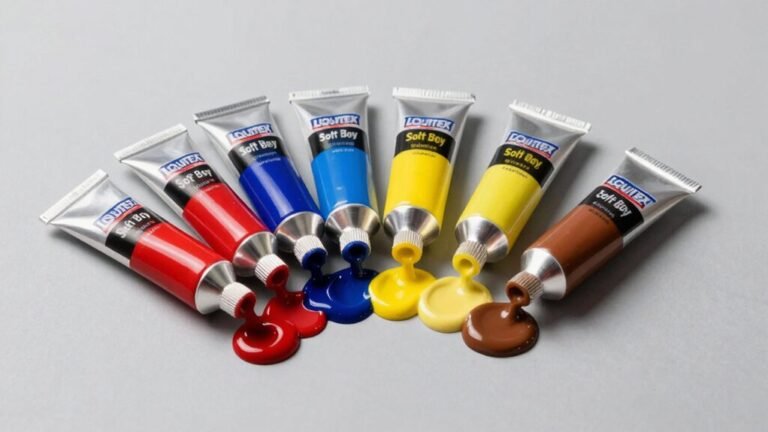

Is your choice of paper holding back your acrylic painting potential? Artists often overlook this critical detail, but the right surface can dramatically transform your artwork’s quality and feel. You’ll want to explore papers that offer the perfect balance between texture, durability, and absorption. From smooth to textured surfaces, each paper brings unique characteristics that can elevate or limit your creative expression. Curious about which papers will unleash/reveal/amplify your artistic vision?
Canson XL Oil and Acrylic Paper Pad (9×12 inches, 24 Sheets)
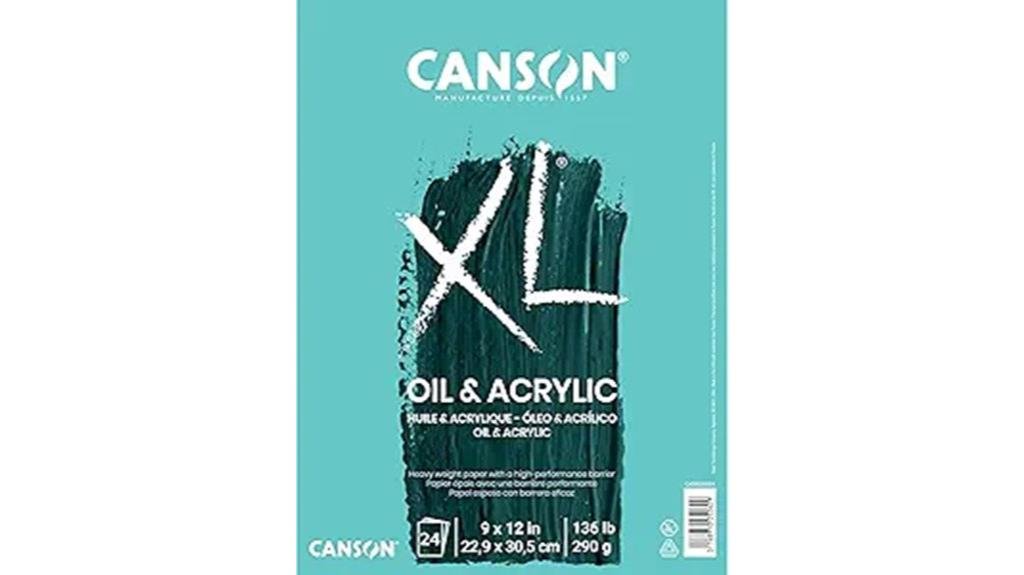
If you’re an artist seeking a reliable canvas alternative for acrylic painting, the Canson XL Oil and Acrylic Paper Pad emerges as a top-tier solution. This French-made pad offers a bleed-proof, canvas-like textured surface that’s ready for immediate use, guaranteeing the absence of the need for priming. With 24 heavyweight sheets at 136 lb/290 gsm, you’ll get a durable painting surface that can handle both oil and acrylic techniques. The 9×12 inch size provides ample workspace, while the laid texture assures excellent paint adhesion and a professional finish that’ll elevate your artistic creations.
Best For: Artists looking for a high-quality, ready-to-use painting surface for acrylic and oil techniques without priming.
Pros:
- Bleed-proof canvas-like texture
- Heavyweight 136 lb/290 gsm paper
- Versatile for both oil and acrylic painting
Cons:
- Limited to 24 sheets per pad
- Only available in specific sizes
- Slightly higher price point compared to standard painting paper
Strathmore Youth Paint Pad (9×12, 20 Sheets)
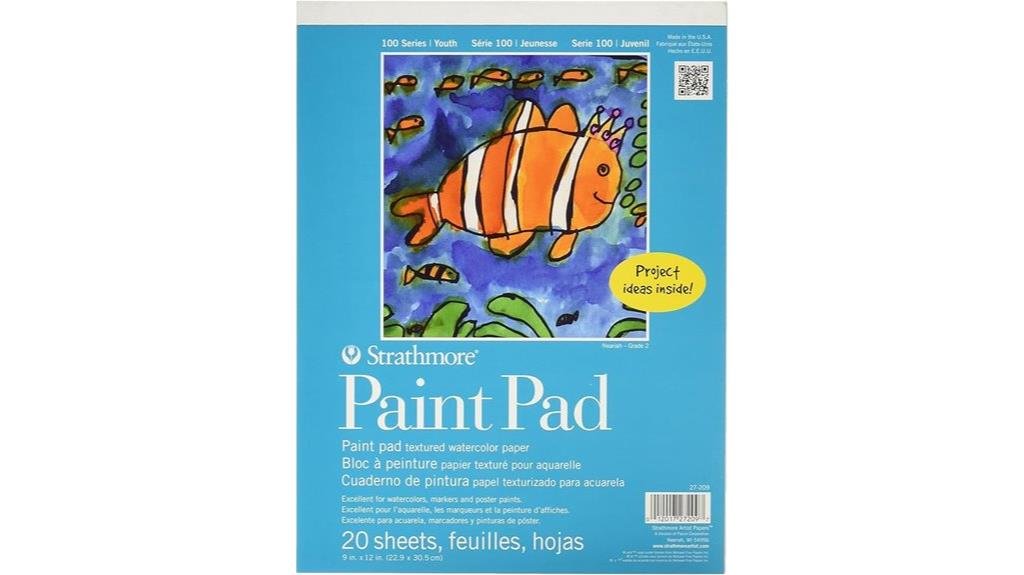
The Strathmore Youth Paint Pad emerges as a perfect companion for budding artists and classroom settings, offering a robust 9×12-inch canvas that transforms young creativity into vibrant masterpieces. With 20 moisture-resistant sheets, you’ll find this pad ideal for watercolor paints, markers, and poster paints. Its textured paper guarantees smooth application and impressive results. You’ll appreciate the two inspirational project ideas printed inside the cover, which can spark imagination. Made in the USA, this tape-bound pad provides a reliable surface for artistic exploration, backed by Strathmore’s 125-year legacy of high-performing paper craftsmanship.
Best For: Young artists, students, and educators looking for a high-quality, moisture-resistant painting surface for watercolors, markers, and poster paints.
Pros:
- Moisture-resistant, textured paper for smooth paint application
- Includes two inspirational project ideas to spark creativity
- Made in the USA with a 125-year legacy of quality paper production
Cons:
- Limited to 20 sheets per pad
- May be slightly more expensive than basic art paper
- Specific to watercolor and poster paint mediums
EBIVEN Palette Paper Paint Pad (9×12, 40 Sheets)
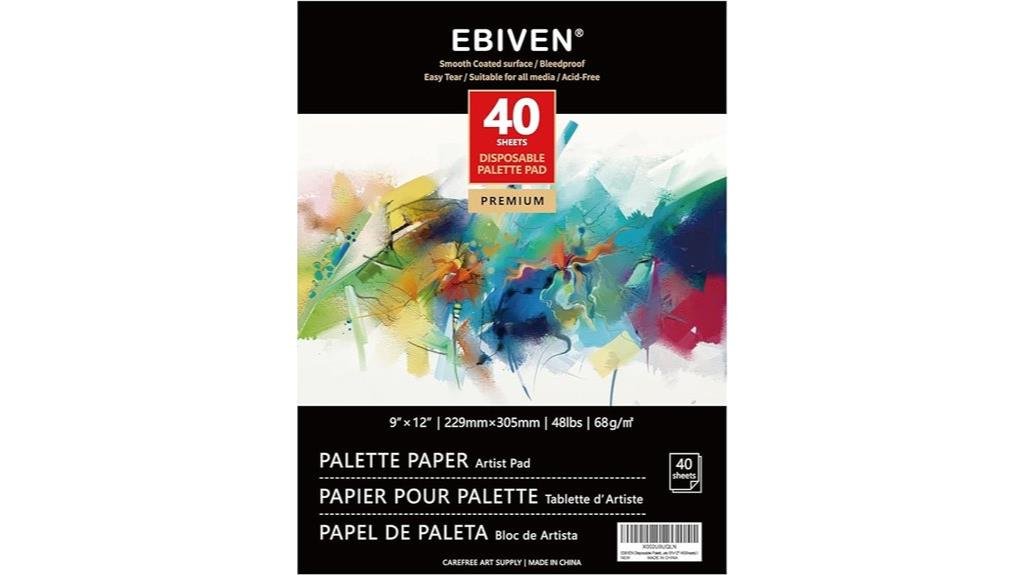
Artists seeking a versatile and convenient palette solution will find the EBIVEN Palette Paper Paint Pad an exceptional choice for acrylic painting. With its polymer-coated, 48lb sheets, this pad prevents paint from penetrating and offers a smooth, glossy surface perfect for mixing colors. You’ll appreciate its disposable, tear-off design that saves time and eliminates cleanup hassles. Whether you’re a beginner or professional, the 9×12-inch pad provides ample space for painting techniques using brushes, spatulas, or palette knives, making it a durable and practical tool for your artistic endeavors.
Best For: Artists of all skill levels seeking a convenient, easy-to-use palette paper for various painting techniques.
Pros:
- Polymer-coated surface prevents paint penetration
- Disposable and tear-off design saves cleanup time
- Suitable for multiple paint types (watercolor, oil, gouache, acrylic)
Cons:
- Limited to 40 sheets per pad
- Disposable nature may be less environmentally friendly
- May not be as durable as traditional palettes for extended use
Strathmore 300 Series Bristol Paper Pad, 9×12 Inches (20 Sheets)
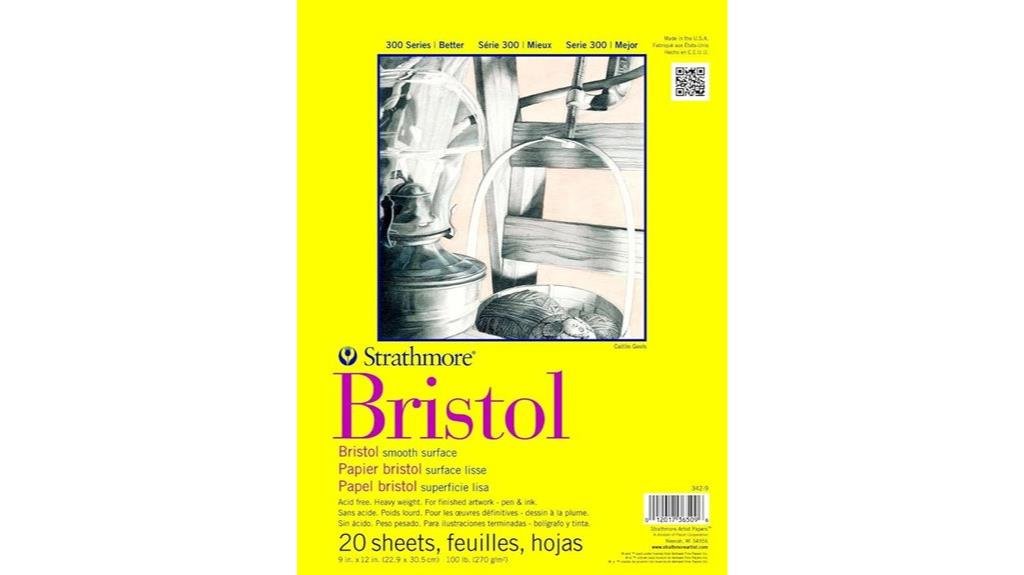
Serious designers and illustrators will find the Strathmore 300 Series Bristol Paper Pad a premium choice for precision work. With its smooth, acid-free surface and 100 lb. weight, you’ll achieve crisp lines and clean finishes across various mediums. Whether you’re using mechanical pens, markers, airbrush, or traditional drawing techniques, this pad delivers professional-grade performance. Made in the USA, the 9×12 inch pad contains 20 high-quality sheets that won’t disappoint serious artists looking for reliable, versatile drawing paper with exceptional quality.
Best For: Professional designers, illustrators, and serious art students seeking high-quality, versatile drawing paper for precision work.
Pros:
- Smooth, acid-free surface ideal for multiple mediums
- Heavyweight 100 lb. paper ensures crisp lines and clean finishes
- Made in the USA with professional-grade quality
Cons:
- Limited sheet count of only 20 pages
- Higher price point compared to basic drawing pads
- May be too specialized for casual or beginner artists
Strathmore 9×12 Canvas Paper Pad for Artists (300 Series)
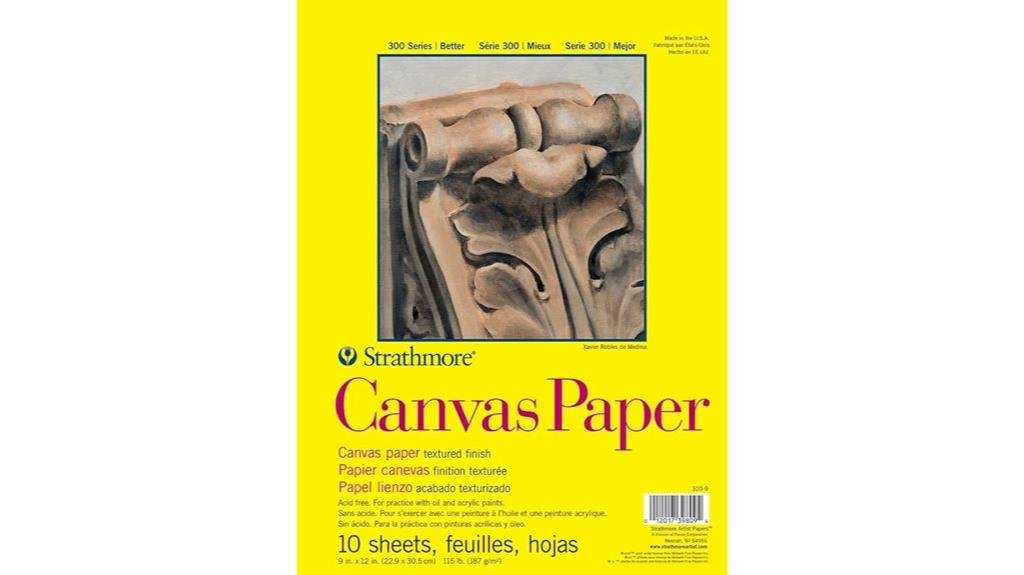
Wondering how to elevate your acrylic painting practice without investing in expensive canvas? Strathmore’s 9×12 Canvas Paper Pad offers a budget-friendly solution. This student-grade pad replicates canvas texture, providing a responsive surface for oils, acrylics, alkyds, and egg tempera. With 10 heavyweight, acid-free sheets at 115lb weight, you’ll get a professional-feeling painting experience without breaking the bank. The glue-bound pad guarantees your work stays secure, while the coated, textured finish mimics traditional canvas, making it perfect for practicing techniques and exploring your artistic potential.
Best For: Art students and hobbyists looking for an affordable canvas-like surface for practicing painting techniques.
Pros:
- Budget-friendly alternative to traditional canvas
- Textured surface mimics professional canvas feel
- Acid-free and heavyweight paper suitable for multiple mediums
Cons:
- Limited number of sheets per pad (only 10)
- Student-grade quality may not meet professional artist standards
- Not as durable as stretched canvas
Zenacolor Paper Palette Pad (50 Removable Sheets)
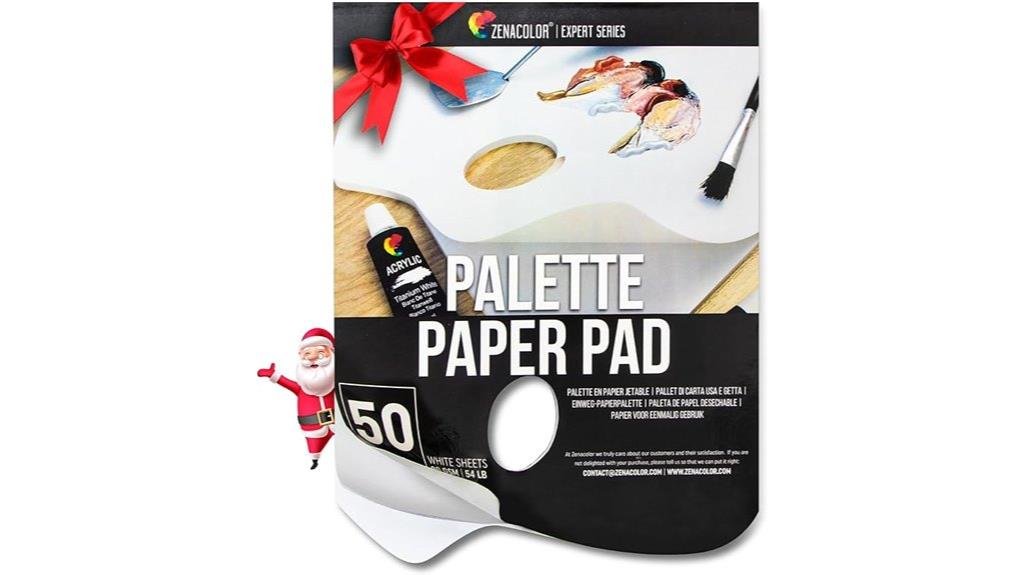
If you’re tired of messy cleanups and want a hassle-free painting experience, the Zenacolor Paper Palette Pad offers an ingenious solution for painters seeking convenience and efficiency. Its 50 disposable sheets with a plastic finish let you mix acrylic, watercolor, oil, and gouache paints without worrying about absorption or staining.
The compact 12 x 9-inch pad with a thumb hole makes color blending and transportation a breeze. At 80gsm thickness, these sturdy sheets won’t tear during use, and you can simply discard each sheet after painting, eliminating the tedious task of palette cleaning.
Best For: Artists and painters looking for a convenient, disposable palette solution for various paint types.
Pros:
- Disposable sheets eliminate cleaning time
- Compatible with multiple paint types
- Portable and compact design
Cons:
- Limited to 50 sheets per pad
- May be more expensive than traditional palettes
- Not suitable for permanent artwork storage
Mr. Pen 9×12 Disposable Paint Palette Paper (40 Sheets)
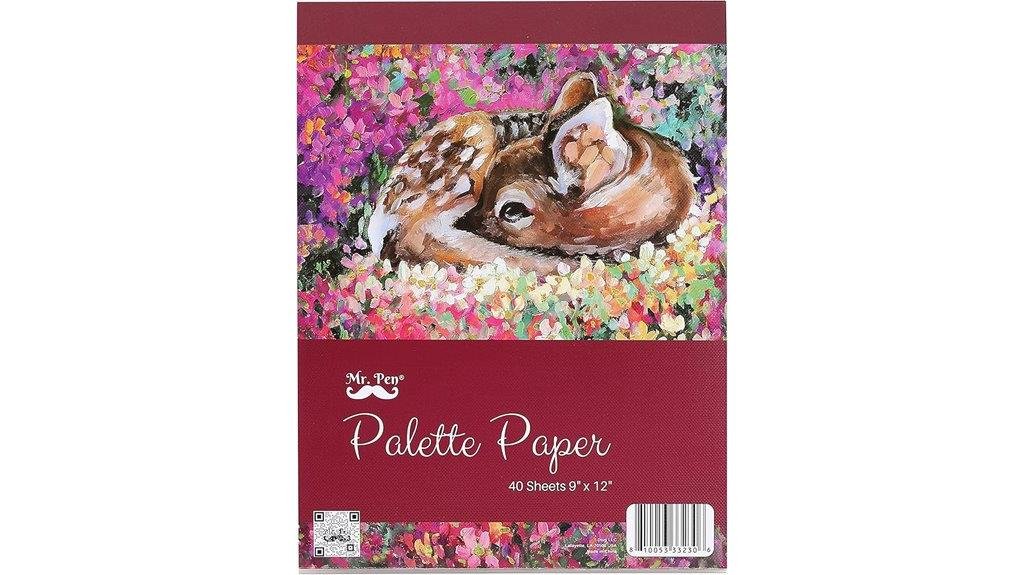
Artists seeking a convenient and versatile painting palette will find the Mr. Pen 9×12 Disposable Paint Palette Paper perfect for their needs. With 40 poly-coated sheets, you’ll enjoy a smooth, glossy surface that won’t soak through or bleed. Whether you’re working with acrylic, oil, watercolor, or gouache, these thick, tear-off sheets provide an ideal mixing surface. You’ll save time and reduce cleanup hassle while benefiting from a professional-grade tool suitable for beginners and experienced artists alike. The 9×12 inch dimensions offer ample space for your creative process.
Best For: Artists, art students, and instructors seeking a convenient, disposable painting palette for various paint mediums.
Pros:
- Poly-coated surface for easy paint mixing and cleanup
- Compatible with multiple paint types (acrylic, oil, watercolor, gouache)
- Thick, durable paper that won’t tear during use
Cons:
- Disposable nature means ongoing cost for replacement sheets
- Limited to 40 sheets per pad
- Made in China, which might concern some quality-conscious buyers
Key Factors to Consider When Choosing Paper for Acrylic Paint
When selecting paper for acrylic painting, you’ll want to ponder several critical factors that can drastically influence your artistic results. Weight, surface texture, and acid-free properties are key elements that determine how well your paint will adhere and how long your artwork will last. Comprehending the distinctions between primed and unprimed surfaces, along with paper size and portability, will assist you in choosing the optimal paper for your specific acrylic painting needs.
Paper Weight Matters
Ever wondered why paper weight is crucial when selecting the right surface for acrylic painting? The weight of your paper directly impacts how well your artwork will turn out. Lightweight papers around 90 lbs can wrinkle or tear when wet, while heavyweight options between 100-140 lbs provide the ideal support for acrylic techniques.
Thicker papers can handle multiple paint layers without becoming saturated or warped. They offer better durability and stability for your creative process. When you’re choosing a paper, aim for weights around 300 GSM, which provide the perfect balance of absorbency and strength. This guarantees your artwork remains intact, with crisp brushstrokes and vibrant colors that won’t compromise the paper’s integrity.
Surface Texture Impact
Because surface texture profoundly influences acrylic painting techniques, selecting the right paper becomes a critical decision for artists. You’ll find that coarse, textured papers can create dynamic visual effects and enhance paint blending, while smooth, fine-grained surfaces offer more controlled and detailed work.
When considering texture, remember that rougher papers might require additional paint for complete coverage compared to smoother alternatives. The paper’s surface directly impacts paint absorption rates and drying times, which can considerably affect your artistic process. Rough textures can add depth and interesting visual dimensions to your artwork, whereas smooth surfaces provide precision and clean lines.
Your choice ultimately depends on your specific painting style, desired artistic effect, and the visual outcome you’re seeking to achieve.
Acid-Free Paper Benefits
As artists seek to preserve their creative legacy, acid-free paper emerges as a critical choice for acrylic painting. You’ll find that this specialized paper prevents discoloration and deterioration, ensuring your artwork remains vibrant for generations. The neutral pH level protects your painting’s integrity, minimizing the risk of the paper becoming brittle or yellowing over time.
When you choose acid-free paper, you’re investing in the longevity of your artistic expression. Its unique properties shield your acrylic paintings from environmental degradation, maintaining the original colors and texture. Professional artists understand that archival-quality paper isn’t just a preference—it’s a commitment to preserving the artwork’s quality and emotional resonance for future art enthusiasts and collectors.
Priming vs. Unprimed
The choice between primed and unprimed paper can substantially impact your acrylic painting’s outcome. Primed papers offer a smoother surface that allows for more controlled paint application and are ideal for detailed work and glazing techniques. You’ll find these surfaces help prevent rapid paint absorption, giving you more flexibility while painting.
Unprimed papers, in contrast, provide a more absorbent and textured surface that’s perfect for expressive, spontaneous painting styles. These papers let paint soak in quickly, which can create unique visual effects. Your painting technique and desired artistic result should guide your selection.
Some artists prefer to prime their own paper for maximum control, while others appreciate the convenience of pre-primed surfaces. Ultimately, experimenting will help you determine which paper type best suits your creative approach.
Size and Portability
Many artists underestimate the critical role of size and portability when selecting acrylic painting paper. Your choice of pad dimensions can substantially impact your artistic mobility and workflow. Smaller 9×12 inch pads offer greater convenience, allowing you to easily transport your creative materials between studios, classrooms, or outdoor painting locations. Lightweight pads weighing just 1-2 pounds enhance your ability to move freely and spontaneously.
Consider the binding style too. Spiral-bound or tape-bound pads provide flexibility and reduced bulk compared to rigid hardbound options. Some pads even feature convenient thumb holes or carrying handles, further improving transport ease. For painters who frequently mix colors on-the-go, compact palette paper pads can be an excellent compact solution, ensuring you’re always ready to capture inspiration wherever it strikes.
Durability and Performance
How do you guarantee your acrylic painting paper can withstand your creative process? Consider paper weight, which ranges from 80-300 GSM, determining the paper’s resilience against heavy brushwork and collaging. A higher GSM means less buckling and tearing during intense painting sessions.
The paper’s surface texture directly impacts paint performance. Smooth surfaces offer precise detailing, while rougher textures provide unique paint adhesion characteristics. Additionally, look for acid-free papers with proper sizing to prevent discoloration and enhance paint behavior. Sizing affects how acrylics dry, blend, and interact with the surface.
Archival quality is essential for preserving your artwork’s integrity. Choose papers that’ll maintain color vibrancy and structural integrity, ensuring your creative expressions remain pristine for generations to come.