
Your choice of linseed oil is the backbone holding your entire painting technique together. You’ll find that not all oils perform equally—some dry faster, while others give you extended working time. The right medium can transform your brushwork and final result. But which one’s actually worth your investment? The answer depends on your specific needs.
Quick Overview
- Cold-pressed linseed oils deliver superior clarity and transparency, making them preferred by professionals for glazing and detailed work.
- Refined oils dry faster than cold-pressed varieties, allowing professionals to work efficiently while maintaining extended flexibility during painting sessions.
- Stand oil provides superior flow control without requiring thinning agents, benefiting professional artists working with impasto and detailed techniques.
- Highly refined oils without additives maintain paint purity and achieve consistent results that professional painters rely on for quality work.
- Oils from regions with strict manufacturing standards and certifications ensure rigorous refinement, meeting professional painters’ expectations for reliability and performance.
| Tusc & Pine Cold Pressed Linseed Oil for Painting |
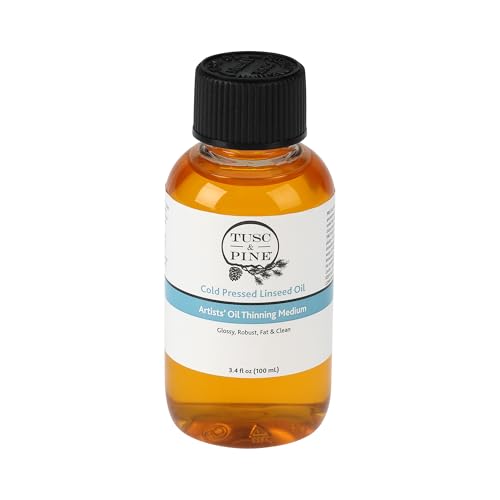
| Cold-Pressed & Pure | Oil Type: Cold pressed refined linseed oil | Bottle Size: 3.4 Oz | Primary Benefits: Enhances flow, translucency, and gloss | VIEW LATEST PRICE | Read Our Analysis |
| Speedball 8-Ounce Mona Lisa Linseed Oil Clear (170008) |
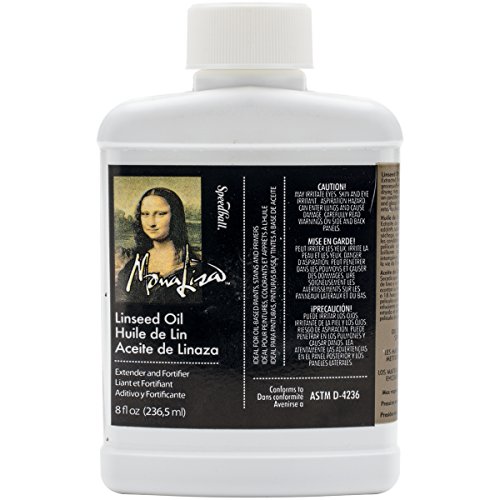
| Professional Grade Standard | Oil Type: Boiled linseed oil | Bottle Size: 8 Oz | Primary Benefits: Extends paint life, resists weather, water-repellent | VIEW LATEST PRICE | Read Our Analysis |
| Linseed Oil for Painting & Thinning (3.5oz) |
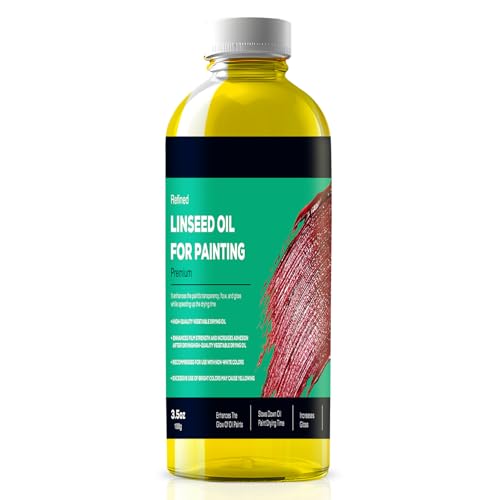
| Best Value | Oil Type: Refined linseed oil | Bottle Size: 3.5 Oz | Primary Benefits: Increases gloss, adds flexibility, improves adhesion | VIEW LATEST PRICE | Read Our Analysis |
| Tusc & Pine Alkali Refined Linseed Oil Paint Medium |

| Solvent-Free Innovation | Oil Type: Alkali refined linseed oil | Bottle Size: 3.4 Oz | Primary Benefits: Enhances flow, translucency, and gloss | VIEW LATEST PRICE | Read Our Analysis |
| Grumbacher Linseed Oil Medium for Oil Paintings |
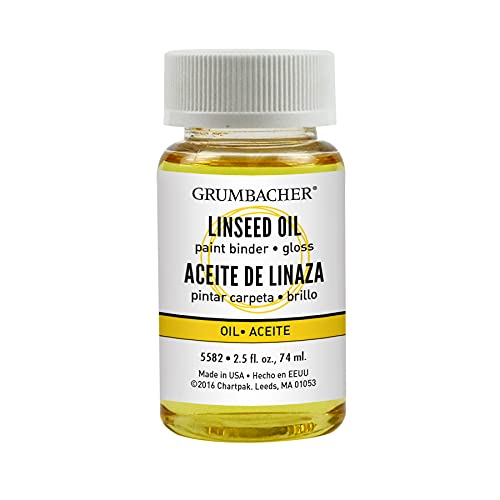
| Artist-Trusted Classic | Oil Type: Purified alkali-refined linseed oil | Bottle Size: 2.5 Oz | Primary Benefits: Makes colors glossy and fluid | VIEW LATEST PRICE | Read Our Analysis |
| Falling in Art Refined Linseed Oil for Painting |

| Best Overall | Oil Type: Refined linseed oil | Bottle Size: 3.2 Oz (approx) | Primary Benefits: Increases shine, improves adhesion, extends paint life | VIEW LATEST PRICE | Read Our Analysis |
| JOFOOK Refined Linseed Oil Medium for Oil Paintings |
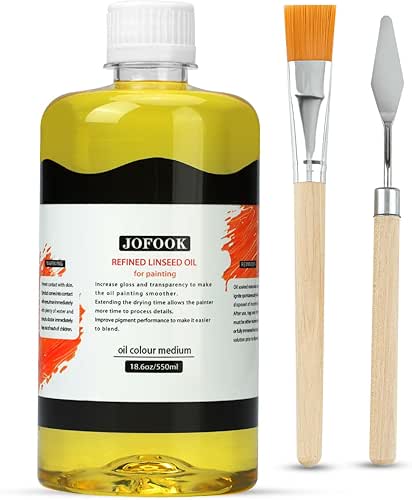
| Premium Performance Medium | Oil Type: Refined linseed oil | Bottle Size: Not specified | Primary Benefits: Enhances shine, improves adhesion, extends paint life | VIEW LATEST PRICE | Read Our Analysis |
More Details on Our Top Picks
Tusc & Pine Cold Pressed Linseed Oil for Painting
If you’re seeking a solvent-free alternative to traditional oil painting thinners, Tusc & Pine’s cold-pressed linseed oil delivers professional-grade results in a compact 3.4 oz bottle. This refined oil enhances flow and translucency without compromising paint integrity. You’ll notice reduced opacity, minimized brush strokes, and improved fluidity when glazing. The company processes each batch in small North Carolina facilities using cold-pressing methods—no heat or chemical assistance required. After painting, you’ll simply wash your hands immediately and soak used rags in a water-filled metal container for safe disposal. You get a natural, effective medium that serious artists rely on.
- Oil Type:Cold pressed refined linseed oil
- Bottle Size:3.4 Oz
- Primary Benefits:Enhances flow, translucency, and gloss
- Drying/Curing Time:Not specified
- Manufacturing Location:North Carolina, USA
- Customer Rating:Not specified
- Additional Feature:Cold pressed without heat/chemicals
- Additional Feature:Small batch North Carolina processing
- Additional Feature:Solvent-free natural alternative
Speedball 8-Ounce Mona Lisa Linseed Oil Clear (170008)
You’ll want the Speedball Mona Lisa Linseed Oil when you’re seeking an affordable, versatile medium that won’t compromise your oil painting quality. This boiled linseed oil accelerates drying time while maintaining a glossy, elastic finish that resists water and weather damage. You can use it as an extender to stretch your paint supply or as a fortifier to enhance adhesion and durability. The 8-ounce bottle reaches full cure in just 18 hours, making it ideal for artists working on tight schedules. Non-toxic and suitable for both interior and exterior applications, this Speedball option delivers professional results without the premium price tag.
- Oil Type:Boiled linseed oil
- Bottle Size:8 Oz
- Primary Benefits:Extends paint life, resists weather, water-repellent
- Drying/Curing Time:18 hours full cure
- Manufacturing Location:Not specified
- Customer Rating:Not specified (Best Seller #47,424)
- Additional Feature:Interior/exterior use versatility
- Additional Feature:Water resistant and weather-resistant
- Additional Feature:18-hour full cure time
Linseed Oil for Painting & Thinning (3.5oz)
This doubly refined linseed oil is perfect for painters who want a versatile medium that won’t alter their colors. You’ll appreciate its pale, refined composition that removes wax impurities while maintaining clarity. When you thin your oil colors with this product, you’ll notice enhanced flow and workability without compromising adhesion to canvas. The oil reduces viscosity and slows drying time, giving you extended working periods. You’ll benefit from increased gloss and luminosity as it creates a uniformly tough, elastic film. Its linolenic and linoleic acid content produces durable results that professional painters rely on for traditional oil painting mediums and pigment mixing.
- Oil Type:Refined linseed oil
- Bottle Size:3.5 Oz
- Primary Benefits:Increases gloss, adds flexibility, improves adhesion
- Drying/Curing Time:Slows drying time
- Manufacturing Location:Not specified
- Customer Rating:Not specified
- Additional Feature:Doubly refined removes wax impurities
- Additional Feature:Doesn’t change color shades
- Additional Feature:100% flax seed pressed
Tusc & Pine Alkali Refined Linseed Oil Paint Medium
For artists seeking a solvent-free alternative that won’t compromise their oil paintings’ integrity, Tusc & Pine’s alkali-refined formula stands out as an excellent choice. You’ll appreciate how this North Carolina-made medium enhances flow, translucency, and gloss while maintaining your paint’s quality. When you’re glazing, it reduces opacity and minimizes brush strokes, giving you the fluidity you need. The 3.4 oz bottle delivers professional-grade results at an accessible price point. With a 4.8-star rating and ranking #36 in paint thinners, you’re investing in a trusted medium that supports your custom oil painting techniques effectively.
- Oil Type:Alkali refined linseed oil
- Bottle Size:3.4 Oz
- Primary Benefits:Enhances flow, translucency, and gloss
- Drying/Curing Time:Not specified
- Manufacturing Location:North Carolina, USA
- Customer Rating:4.8 out of 5 stars
- Additional Feature:Ranked #36 in paint thinners
- Additional Feature:4.8 out of 5 stars
- Additional Feature:Supports custom oil mediums
Grumbacher Linseed Oil Medium for Oil Paintings
Grumbacher’s Linseed Oil Medium stands out as an excellent choice for painters who want to enhance their oil colors without compromising quality. You’ll appreciate that it’s made from purified alkali-refined linseed oil, ensuring professional-grade results. Mix it directly into your oil paints to boost glossiness and fluidity, or use it as a binder when working with powdered pigments. You can pre-dilute it with turpentine, Grumtine, or odorless paint thinner for your preferred consistency. Manufactured in the USA, this 2-1/2 oz. jar (#5582) delivers reliable performance that painters trust for consistent, high-quality finishes.
- Oil Type:Purified alkali-refined linseed oil
- Bottle Size:2.5 Oz
- Primary Benefits:Makes colors glossy and fluid
- Drying/Curing Time:Not specified
- Manufacturing Location:USA
- Customer Rating:Not specified
- Additional Feature:Pre-dilutable with turpentine options
- Additional Feature:Binder for powdered pigments
- Additional Feature:Made in USA
Falling in Art Refined Linseed Oil for Painting
If you’re seeking a pure, additive-free linseed oil that won’t compromise your color work, Falling in Art’s refined option delivers exactly what traditional oil painters need. You’ll appreciate its pale clarity, which won’t yellowing your vibrant hues. The oil enhances paint flow and workability while strengthening adhesion to canvas. You’ll benefit from slower drying times that extend your blending window for wet-on-wet techniques. This versatile medium works seamlessly with turpentine or as an ingredient in custom mediums. You’ll notice the resulting glossy, elastic film protects your finished paintings while boosting luminosity. At 4.8 stars and ranking highly in paint mediums, it’s earned professional trust through consistent performance.
- Oil Type:Refined linseed oil
- Bottle Size:3.2 Oz (approx)
- Primary Benefits:Increases shine, improves adhesion, extends paint life
- Drying/Curing Time:Slows drying time
- Manufacturing Location:Not specified
- Customer Rating:4.8 out of 5 stars
- Additional Feature:Free from additives/impurities
- Additional Feature:Slows drying for blending
- Additional Feature:4.8 out of 5 stars
JOFOOK Refined Linseed Oil Medium for Oil Paintings
Artists seeking a versatile medium that’ll enhance both the workability and longevity of their oil paints will find JOFOOK’s refined linseed oil an excellent choice. You’ll appreciate how it improves paint flow while increasing flexibility and reducing viscosity. The doubly refined formula eliminates wax impurities, ensuring ideal performance. You’ll notice enhanced shine and luminosity as JOFOOK creates a uniformly tough, elastic, and glossy film. The favorable ratio of linolenic and linoleic acids contributes to durability, while the water-repellent and weather-resistant properties protect your finished work from chalking. Extended drying time gives you greater control during painting sessions. With JOFOOK, you’re investing in paintings built to last.
- Oil Type:Refined linseed oil
- Bottle Size:Not specified
- Primary Benefits:Enhances shine, improves adhesion, extends paint life
- Drying/Curing Time:Extends drying time
- Manufacturing Location:Not specified
- Customer Rating:Not specified
- Additional Feature:Favorable linolenic/linoleic acid ratios
- Additional Feature:Weather-resistant chalking reduction
- Additional Feature:Doubly refined for purity
Factors to Consider When Choosing Linseed Oil for Oil Painting
When you’re selecting linseed oil for your paintings, you’ll need to evaluate several key factors that directly impact your final results. Consider the refinement level, whether you prefer cold-pressed or boiled oil, and how quickly you want your layers to dry. You should also assess your gloss and transparency preferences alongside the viscosity and flow control that best suit your painting technique.
Refinement Level Matters
Because linseed oil undergoes different levels of processing, you’ll encounter products ranging from cold-pressed to heavily refined versions, each offering distinct characteristics that’ll affect your painting. Cold-pressed varieties retain natural compounds, delivering superior flexibility and glossiness, though they’re darker and more viscous. Alkali-refined oils provide purity and transparency through chemical processing, striking a middle ground for many professionals.
However, heavily refined oils present trade-offs you should consider. While they appear lighter and flow more smoothly, they lose critical linolenic acid content, compromising long-term durability and yellowing resistance. Your choice ultimately depends on your priorities: prioritize workability and longevity with less refined options, or accept reduced archival qualities for enhanced clarity and handling ease with heavily processed variants.
Cold Pressed vs. Boiled
Now that you’ve considered refinement levels, you’ll need to make a more specific choice between two primary processing methods: cold-pressed and boiled linseed oils.
Cold-pressed linseed oil retains more nutrients and antioxidants since it’s extracted without heat. It dries slower, giving you extended working time—ideal if you prefer leisurely blending and layering. However, it’s more prone to yellowing over time.
Boiled linseed oil contains added driers that accelerate curing substantially. You’ll appreciate faster drying times, typically within 24 hours, making it practical for studio efficiency. The trade-off? It yellows less but may darken your colors slightly and offers marginally reduced working time.
Choose cold-pressed for traditional techniques prioritizing longevity; select boiled for modern workflows demanding quicker results.
Drying Time Considerations
Several factors influence how quickly your linseed oil will cure, and understanding them’ll help you select the right product for your workflow. Linolenic acid content directly impacts drying speed—oils with higher linolenic acid levels cure faster than those with more linoleic acid. Refined oils dry quicker than cold-pressed varieties, while alkali-refined options offer intermediate drying rates.
You can accelerate drying by adding metallic driers like cobalt or manganese to your oil. Environmental conditions also matter markedly: warmer temperatures and increased air exposure speed up the curing process. Consider your painting schedule and studio conditions when selecting linseed oil. If you need faster results, choose refined oils with additives. For slower working times, cold-pressed oils provide extended flexibility during your painting session.
Gloss and Transparency Needs
Beyond drying time, the visual qualities of your finished work depend markedly on which linseed oil you choose. If you’re after enhanced gloss and transparency, you’ll want linseed oil with higher linoleic acid ratios compared to linolenic acid content. Cold-pressed varieties generally deliver superior clarity and translucency compared to alkali-refined options. The refinement level matters greatly too—more refined oils appear paler and more translucent, giving you greater control over your glazing effects. Adding linseed oil itself reduces paint opacity, creating that desirable glazed appearance. However, avoid boiled or heat-treated oils if transparency is your priority, as these processing methods compromise clarity. Match your oil selection to your intended visual outcome for ideal results.
Viscosity and Flow Control
When you’re working with linseed oil, its viscosity—how thick or thin it flows—directly affects your painting technique and final results. Thicker oils give you more control and slower drying times, letting you blend colors extensively. Thinner oils flow easily across your canvas, ideal for glazing and detailed work.
You’ll find that stand oil—heat-treated linseed oil—offers superior flow without thinning agents. It creates a buttery consistency perfect for smooth brushwork. Conversely, raw linseed oil‘s lighter viscosity suits artists who prefer minimal resistance.
Consider your painting style when selecting viscosity. Impasto techniques benefit from thicker oils that hold brushstrokes, while detailed work demands thinner formulations. You can also adjust viscosity by adding appropriate solvents, giving you flexibility to customize your medium exactly how you need it.
Purity and Additives
The quality of your linseed oil depends largely on what’s actually in the bottle. You’ll want highly refined oils without additives to maintain your paint’s purity and integrity. Impurities like wax can compromise drying properties and create unwanted surface effects in your finished work.
Cold-pressed linseed oil retains more natural properties than alkali-refined or boiled alternatives, giving you superior control over your medium. When you examine product labels, prioritize unadulterated formulations that haven’t undergone excessive processing.
Consider solvent-free options as well. They provide a more natural alternative to traditional oil painting thinners while eliminating chemical additives you don’t need. By carefully selecting high-quality, uncontaminated linseed oil, you’ll achieve the desired effects and results your paintings demand.
Batch Processing Methods
How you extract linseed oil fundamentally shapes its behavior in your paintings. When you choose cold-pressed oil, you’re getting a more viscous product that hasn’t undergone heat or chemical processing. This method preserves the oil’s natural properties but gives you a longer drying time.
Alternatively, alkali-refined oils remove impurities and waxes, giving you a thinner, clearer product that dries faster. Small-batch processing offers you superior quality control compared to mass production, ensuring consistent oil properties across batches.
The processing method also affects your oil’s acid ratios—linolenic and linoleic acids vary based on extraction techniques. These variations directly impact your paint film’s flexibility and durability. You’ll want to match your chosen processing method to your specific painting needs and timeline.
Regional Manufacturing Standards
Regional manufacturing standards greatly influence the quality and performance of the linseed oil you’re purchasing. Different regions apply varying processing techniques, chemical treatments, and quality control measures that directly affect your final product’s purity and consistency.
You’ll find that oils from regions with strict regulatory frameworks typically undergo more rigorous refinement processes, removing impurities more effectively. Conversely, locally sourced oils may offer unique properties shaped by climate and growing conditions specific to their origin.
When selecting linseed oil, research your supplier’s regional standards and certifications. Consider whether mass-produced oils from established manufacturing hubs align with your needs, or if specialized regional products better suit your painting goals. Understanding these standards helps you make informed choices that match your artistic requirements and budget constraints.