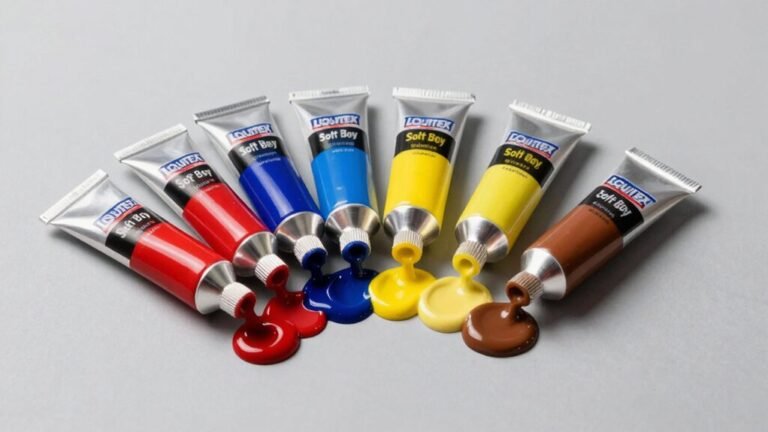

Just as Michelangelo transformed blank canvas into masterpieces, you’ll want the right surface to bring your acrylic visions to life. Professional artists know that choosing the perfect paper can make or break a painting. You’re about to uncover five art papers that’ll elevate your technique and spark creativity. If you’ve ever struggled with bleeding, warping, or lackluster textures, pay attention—these recommendations might just change your artistic game.
Canson XL Series Oil and Acrylic Paper (9×12 inches, 24 Sheets)
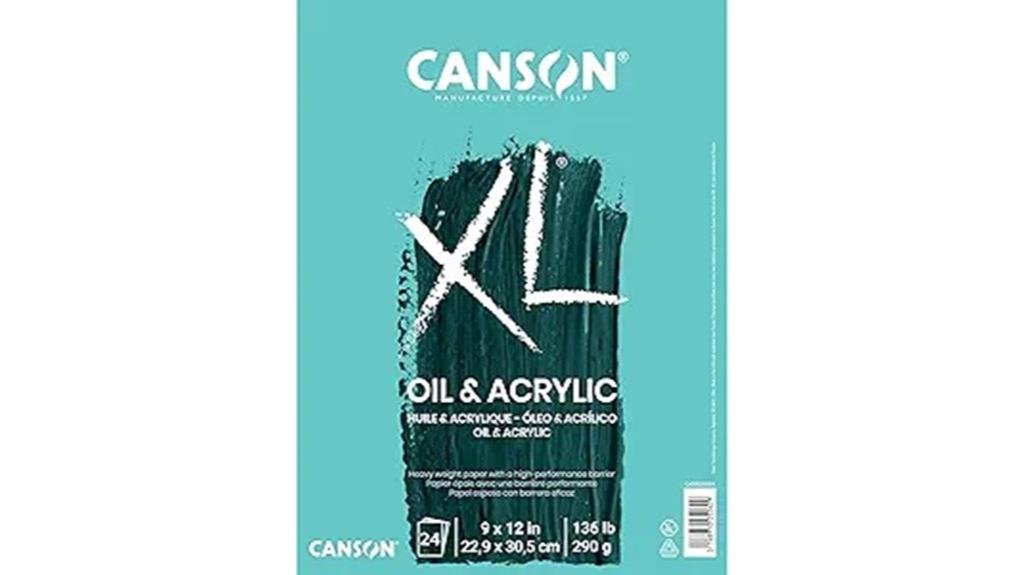
Artists seeking a versatile and high-quality paper for acrylic painting will find the Canson XL Series Oil and Acrylic Paper to be a game-changer. With its canvas-like textured finish and exceptional 136 lb/290 gsm weight, you’ll appreciate how this paper doesn’t require priming and handles acrylic paints beautifully. Made in France, this 9×12 inch pad comes with 24 sheets of bleed-proof paper that’ll elevate your artistic process. Its texture laid finish provides excellent paint adhesion, making it perfect for professional and aspiring artists who want reliable performance without extra preparation.
Best For: Acrylic and oil painters looking for a high-quality, ready-to-use paper that eliminates the need for priming.
Pros:
- Canvas-like textured surface provides excellent paint adhesion
- Heavyweight 136 lb/290 gsm paper prevents bleeding
- No priming required, saving time and effort
Cons:
- Limited to 24 sheets per pad
- Only available in specific pre-determined sizes
- Higher price point compared to standard art paper
Mr. Pen 9×12 Disposable Paint Palette Paper (40 Sheets)
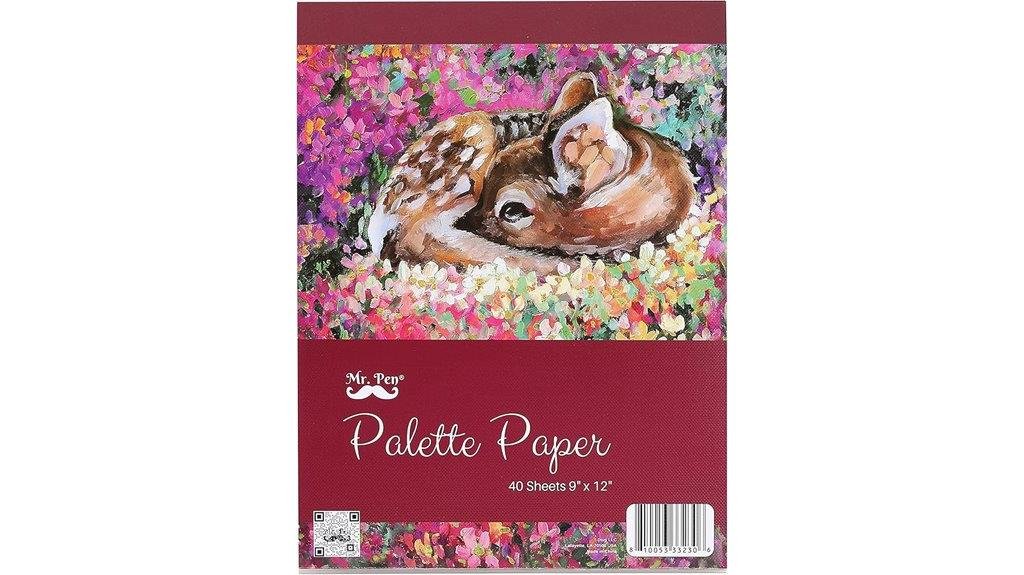
If you’re looking for a reliable and convenient palette solution, the Mr. Pen 9×12 Disposable Paint Palette Paper has you covered. With 40 poly-coated sheets, this palette paper won’t let you down during your creative process. Its thick, smooth surface allows for easy paint mixing without soaking or bleeding, making it perfect for acrylic, oil, watercolor, and other paint types. Whether you’re a beginner or a professional artist, you’ll appreciate the tear-off sheets that save time and reduce cleanup hassle. The glossy paper supports brushes, spatulas, and knives, giving you the flexibility you need while painting.
Best For: Artists, art students, and instructors seeking a convenient, disposable palette solution for multiple paint types.
Pros:
- Suitable for multiple paint types (acrylic, oil, watercolor, gouache)
- Thick, poly-coated paper prevents tearing and soaking
- Easy to use with brushes, spatulas, and knives
Cons:
- Limited to 40 sheets per pad
- Made in China (may be a concern for some buyers)
- Slightly higher cost compared to traditional palettes
ESRICH Canvas Boards for Painting (8×10, 80 Pack)
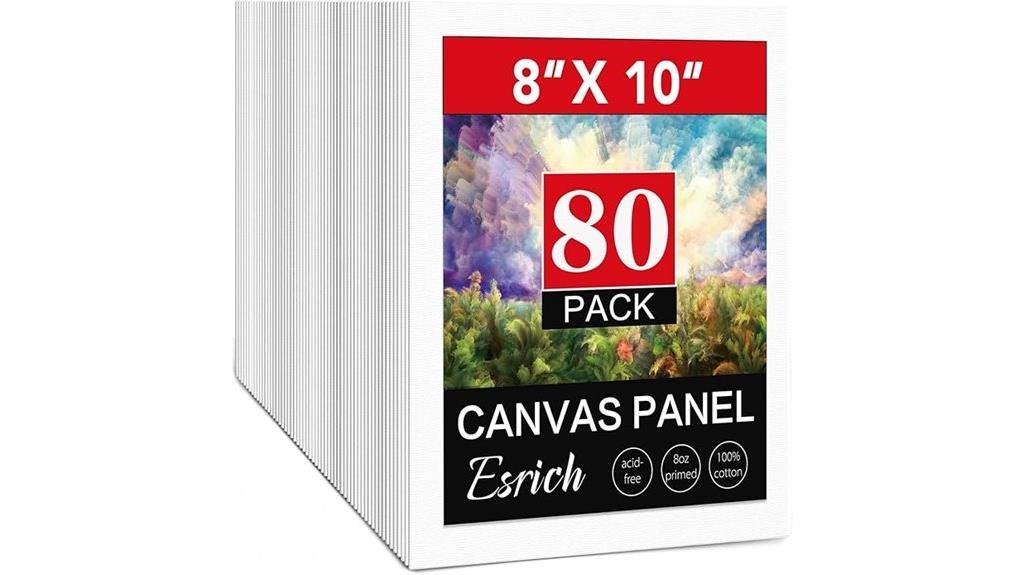
When you’re looking for a versatile and economical canvas solution, the ESRICH Canvas Boards for Painting (8×10, 80 Pack) stands out as a top-tier choice for both budding and established artists. These pre-primed, acid-free canvases are triple-gessoed and ready for immediate use with oil, watercolor, acrylic, gouache, and tempera paints. The cotton canvas delivers vibrant colors and impressive durability, making them perfect for practice sessions, professional conceptualization, and art events like paint parties. With 80 boards in one pack, you’ll have ample space to explore your creativity without breaking the bank.
Best For: Artists of all skill levels looking for an affordable, ready-to-use canvas solution for multiple painting mediums.
Pros:
- Triple-primed and acid-free canvas suitable for various painting techniques
- Large 80-pack provides excellent value for practicing and professional projects
- Versatile 8×10 inch size ideal for multiple art applications
Cons:
- Manufactured in China, which might concern some buyers seeking local products
- Large pack size may be overwhelming for casual or infrequent painters
- Limited to standard 8×10 inch size, which might not suit all artistic preferences
ARTEZA Acrylic Paper Pad (11 x 14 Inches, Pack of 2)
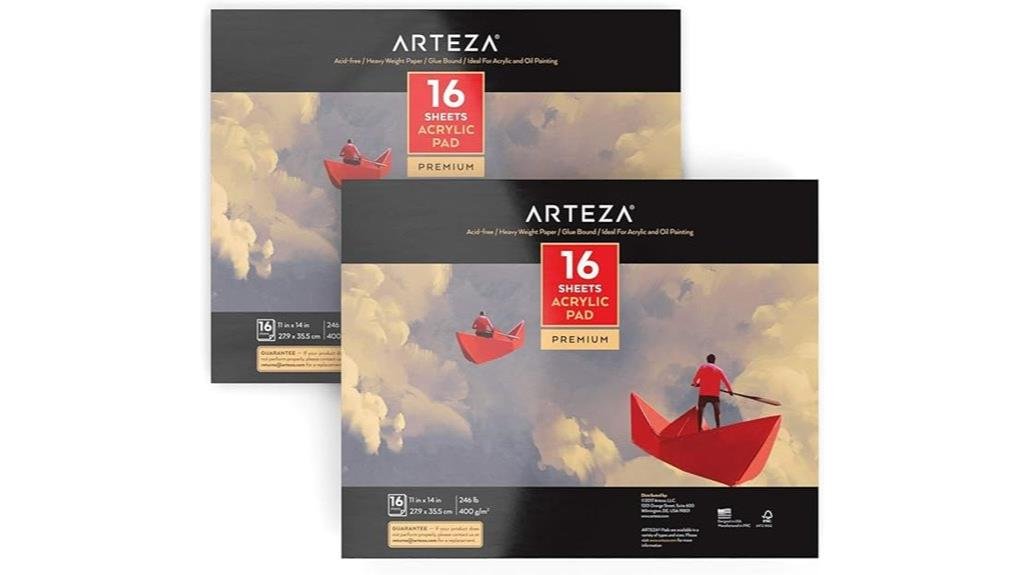
The ARTEZA Acrylic Paper Pad emerges as a heavyweight champion for painters seeking versatile, high-quality surface options. With its robust 246 lb linen-textured paper, you’ll enjoy a professional-grade surface perfect for acrylic, gouache, and oil paint. The 11 x 14 inch pad comes with 16 sheets in each pack, offering glue-bound pages that tear out easily. Designed by artists who understand creative needs, this paper delivers a textured canvas that’ll elevate your artwork from beginner to professional level, making it an ideal choice for artists wanting reliable, inspiring painting surfaces.
Best For: Artists of all skill levels seeking a high-quality, versatile paper pad for acrylic, gouache, and oil painting.
Pros:
- Heavyweight 246 lb linen-textured paper provides a professional-grade surface
- Glue-bound pad with easy-to-tear-out sheets in convenient 11 x 14 inch size
- Suitable for multiple painting mediums including acrylic, gouache, and oil paint
Cons:
- Limited to 16 sheets per pack
- May be more expensive than standard paper pads
- Specific texture might not suit all painting styles
Sketchpad 100 Sheet Watercolor and Acrylic Art Pad for Sketching
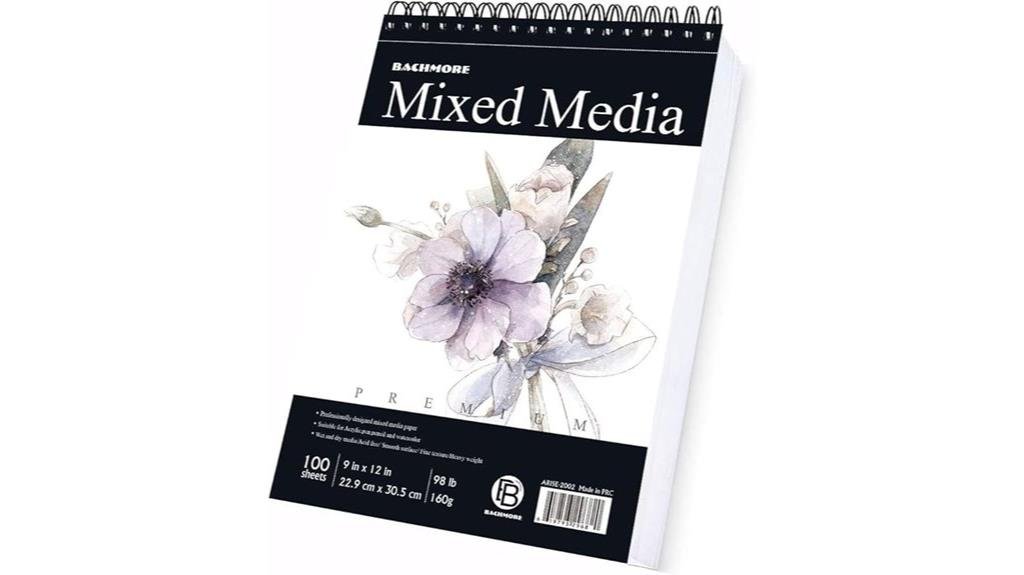
Artists seeking a versatile sketchpad that accommodates multiple media will appreciate the Sketchpad 100 Sheet Watercolor and Acrylic Art Pad, which offers premium quality drawing paper suitable for charcoal, pencil, watercolor, acrylic paint, and ink. While the 9″ x 12″ pad boasts 100 sheets of 98 lb paper with a violet hue, you’ll want to be cautious with wet media. It’s ideal for dry techniques and light watercolor or acrylic work, but heavy applications might cause wrinkling or paper damage. The handmade hardbound cover provides excellent protection for your artwork, making it a solid choice for daily drawing and budget-friendly art projects.
Best For: Artists and hobbyists looking for a versatile, budget-friendly sketchpad for dry media and light watercolor or acrylic work.
Pros:
- Handmade hardbound cover protects artwork
- Suitable for multiple media types like charcoal, pencil, and ink
- Spiral binding accommodates left and right-handed users
Cons:
- Not ideal for heavy watercolor applications
- Potential paper wrinkling and warping with wet media
- Limited blending capabilities with wet techniques
Key Factors to Consider When Selecting Art Paper for Acrylic Paint
When choosing art paper for acrylic paint, you’ll want to ponder several critical factors that impact your artistic performance. Your paper’s weight, surface texture, and absorbency can drastically influence how your paint adheres and how your final artwork looks and feels. Whether you’re working on canvas or paper, understanding these key elements will help you select the right surface that complements your creative vision and painting technique.
Paper Weight Matters
Because paper weight considerably impacts the success of an acrylic painting, you’ll want to choose wisely when selecting your art surface. Heavier papers around 140 lb/300 gsm provide the durability and strength needed to handle thick acrylic paint applications without warping or tearing. Lighter papers around 90 lb/190 gsm might work for thin washes but can’t withstand heavy paint layers.
When shopping for acrylic paper, look for options labeled “heavy body” or “acrylic” specifically designed for this medium. These papers are engineered to support the unique characteristics of acrylics, including fast drying times and textured applications. By selecting the right paper weight, you’ll guarantee a stable, reliable surface that enhances your artwork’s overall appearance and longevity.
Surface Texture Importance
Surface texture plays an essential role in determining the success of your acrylic painting, with 3 key characteristics meaningfully impacting your artistic outcome. The paper’s texture directly influences how your paint spreads, blends, and builds layers, making your choice critical for achieving your desired artistic style.
Smooth surfaces offer precise control and even coverage, perfect for detailed work and crisp lines. Conversely, rougher canvas-textured papers create dynamic, expressive paintings with more visual depth, though they’ll require more paint to achieve full coverage. Your technique and artistic vision will guide your texture selection.
Consider experimenting with different paper textures to uncover how they transform your acrylic painting approach. Each texture brings unique qualities that can enhance or challenge your creative process, ultimately contributing to your distinctive artistic expression.
Absorbency and Priming
Most artists don’t realize how pivotal absorbency and priming are when selecting art paper for acrylic painting. If you’re using highly absorbent paper, your paint will soak in quickly, making color blending challenging. Less absorbent, pre-primed surfaces offer more working time and smoother color shifts.
When working with unprimed paper, you’ll need to apply a gesso or acrylic medium layer first. This prevents rapid paint absorption and creates a more stable surface for your artwork. The right level of absorbency depends on your specific painting techniques and desired visual effects.
Understanding how paper’s absorbency impacts paint application is essential. By choosing the right paper and priming method, you’ll set yourself up for more successful and controlled acrylic painting experiences.
Size and Portability
When selecting art paper for acrylic painting, size and portability play fundamental roles in an artist’s creative workflow. You’ll want to examine how and where you’ll be painting most often. Smaller sizes like 9×12 or 11×14 inches are perfect for plein air painting and travel, offering compact convenience that larger sheets can’t match. If you’re frequently on the move, lightweight papers such as Canson’s XL Series provide excellent mobility without compromising quality.
Spiral-bound pads offer additional portability advantages, keeping your artwork contained and protected during transport. Studio artists might prefer larger formats, while outdoor painters will appreciate more manageable dimensions. Your choice should ultimately align with your specific artistic needs and painting environment.
Canvas vs. Paper
Selecting the right painting surface becomes a critical decision for artists working with acrylics, with canvas and paper each offering distinct advantages. Canvas provides durability and professional presentation, allowing thick paint application and easy framing without glass. Paper, however, offers lightweight portability, affordability, and versatility for sketching, studies, and experimental techniques.
When choosing between canvas and paper, consider your artistic goals. Canvas works best for finished, gallery-ready pieces with heavy texture and layering. Acrylic paper suits quick studies, practice sessions, and mixed media projects. Professional-grade watercolor or multimedia papers specifically designed for acrylics can withstand multiple layers and wet techniques without warping or deteriorating.
Your preferred painting style and project requirements will ultimately guide your surface selection.
Durability and Longevity
Because durability determines the lasting quality of your acrylic artwork, understanding paper characteristics becomes essential for artists seeking long-term preservation. Prioritize acid-free, cotton-based papers that’ll protect your paintings from discoloration and deterioration over time.
When selecting paper, aim for heavyweight options (300 gsm or more) that can withstand the weight and texture of acrylic paints without compromising structural integrity. Primed or gessoed papers offer an additional layer of protection, preventing paint from flaking or peeling. Textured surfaces not only provide increased paint absorption but also enhance the overall grip and stability of your artwork.
Cost-Effective Options
Artists seeking high-quality acrylic painting surfaces don’t have to break the bank. You can find budget-friendly options that don’t compromise on quality by exploring pad sets, bulk packs, and multipacks. These purchasing strategies can considerably reduce your per-sheet cost while ensuring you’ve got reliable painting surfaces.
When selecting cost-effective paper, focus on key attributes like weight (135-300 gsm) and surface texture. Look for laid or canvas-like finishes that help control paint application. Prioritize acid-free and archival-quality papers to protect your artwork’s longevity. By buying larger quantities, you’ll save money without sacrificing the professional-grade qualities essential for acrylic painting. Smart shopping means finding the right balance between affordability and artistic performance.
Versatility of Media
When diving into acrylic painting, you’ll want to unpack the versatility of your art paper. Look for papers that can handle multiple techniques, from dry brushing to wet-on-wet applications. A truly versatile paper will support light and heavy paint layers without compromising your artistic vision.
Texture plays an essential role in media flexibility. Rougher surfaces provide better paint adhesion and create unique visual effects that smooth papers can’t achieve. You’ll want heavyweight, bleed-resistant options that prevent warping and maintain paper integrity during intense painting sessions.
Acid-free papers are another key consideration, ensuring your artwork remains pristine over time. By selecting a multi-purpose paper that works well with acrylics and watercolors, you’ll expand your creative possibilities and artistic range.